

- home Home
- airlines Airlines
- featured_seasonal_and_gifts Deals
- pets Pet Travel
- group Group Travel
- help About Us
- phone_in_talk Contact Us

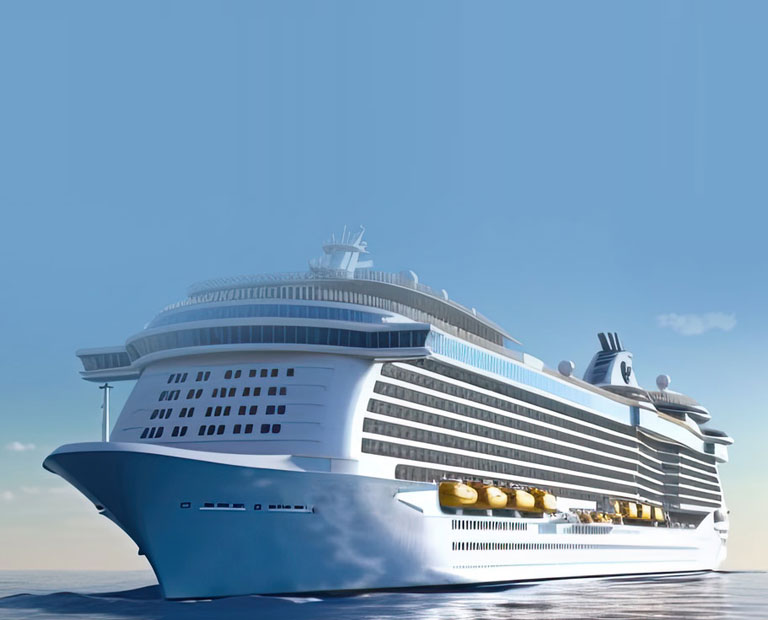




Discover Transatlantic Cruises: The Crossing That Feels Like Time Stands Still
You leave the dock with city noise fading fast, and suddenly it's just ocean—miles of it in every direction. Transatlantic cruises aren't quick hops; they're slow, deliberate crossings where the world shrinks to the ship and the horizon. One day you're watching Europe slip behind, the next morning the sun's rising over open water with nothing but waves and maybe a distant freighter. No ports for a week or more means real downtime: coffee on deck while the ship rocks gently, books you actually finish, conversations that drift late into the night.
Why People Still Choose the Classic Crossing
These voyages bridge continents the old way—New York to Southampton or vice versa, sometimes with a detour to Iceland, Greenland, or Newfoundland if the route stretches. It's not about cramming in sights; it's the journey itself. Quiet days to read, walk laps around the promenade deck, catch up on sleep, or just stare at the sea changing color. People book transatlantic cruise deals because they deliver that rare thing: enforced slow travel in a world that never stops. No rushing between excursions—just the steady hum of engines and the chance to reset.
Deals That Make Sense Right Now
Transatlantic cruise deals are stacking up for spring and fall repositioning seasons, when ships move between Europe and the Caribbean or back. Early bookings grab the lowest fares before summer crowds push everything higher. Last-minute transatlantic cruises pop up for flexible travelers—cabins get discounted hard to fill them. All-inclusive transatlantic cruises keep it straightforward: meals, drinks, and entertainment bundled so you're not adding up every dollar or euro. Solo travelers love the open deck space; couples disappear to balconies; families use the quiet days for board games and pool time without constant port pressure.
When the Crossing Feels Right
April–May and September–October are the windows that work—seas usually calmer than winter, temps mild (10-20°C on deck), no summer heat or winter gales. Shoulder-season transatlantic cruises often land the cheapest rates: fewer passengers, more space, prices that drop noticeably. For next year's crossings, book early—cabins go quicker than you'd expect when repositioning season hits.
How the Routes Usually Look
Most run straight: Southampton or other European ports to New York or Miami, sometimes with a northern detour past Iceland for dramatic scenery. Westbound feels like chasing the sun; eastbound gives you that arrival into Europe with jet lag already behind you. Longer ones add Greenland fjords or Canadian Maritimes for extra days at sea.
What the Days Actually Feel Like
Onboard, it's easy rhythm: big-window lounges, buffets with fresh bread and seafood, evenings with live piano or just the sound of water rushing past. No packed schedules—time for trivia, cooking demos, or simply walking laps, watching the wake trail behind. Sea days become the highlight: read in a quiet corner, nap in the sun, join a lecture on ocean currents or the history of the Atlantic.
Before You Board
Pack layers—the deck can be windy and cool even in spring. Motion-sickness bands if you're prone, sturdy shoes for deck walks, and binoculars for spotting whales or ships. Check passport validity early. Ship apps track daily schedules—book any speciality dining ahead. Hunt midweek for cheap transatlantic cruises or bundle flights to trim costs.
The Ocean's Wide Open
That long blue stretch, the slow days, the arrival on a different continent—they're waiting. Grab a transatlantic cruise deal before the quiet crossings fill up. Your spot by the rail is empty.
